Student Attention Span in the Digital Age: How Short-Form Content Is Reshaping Learning
Short videos are everywhere. TikTok and Reels are good examples. Students use them every day. These videos change how students think. Parents are concerned. They worry about their child's focus. Students often feel bored. They do not like old ways of learning. How do these videos change attention? How do they change learning? This is a big question. It is about "student attention span in the digital age: how short-form content is reshaping learning". What does this mean for school? What does it mean for wanting to learn? We need to understand this change. Teachers, parents, and students must act now. New ways to use digital tools are needed.
Key Takeaways
Short videos make it harder for students to focus for a long time. They give quick rewards and can make deep learning difficult.
Too much fast digital content can make the brain tired. This makes it hard for students to learn complex ideas.
Students now expect quick answers and instant rewards from learning. This can make them less interested in traditional schoolwork.
Parents should set clear rules for screen time. They should also encourage activities without screens to help children focus better.
Teachers can use short, fun lessons and interactive tools. This helps students learn well, even with shorter attention spans.
Understanding Student Attention Spans in the Digital Age
The way students learn changes fast. This change comes from the digital world. Many people worry about student attention spans. They wonder how short-form content affects young minds. Research in education and psychology helps us. It shows how digital media changes the brain.
The Impact of Short-Form Content on Focus
Short-form videos and other short form media grab attention quickly. They give fast rewards. This constant excitement changes how students focus. Lots of short-form digital content means less control over attention. It also makes the brain work too hard. This content makes the brain's pleasure parts active. These parts also link to cravings. They can even link to addictions. This harms attention functions. It also hurts the brain's control system for attention. A study showed that social media harms academic performance. It causes an attention deficit. This means students find it harder to focus for long periods.
Cognitive Overload and Diminished Deep Learning
The brain gets too much information. This comes from fast-paced digital content. This leads to cognitive overload. Students find it hard to learn deeply. They cannot hold complex ideas. Research on young adults using TikTok (Chinese version) showed problems. More than half had mild to strong 'addiction-like symptoms'. This shows how powerful short-form video addiction can be. A study from Denmark looked at collective attention span. It found that attention span decreased over time. For example, a top hashtag in 2013 stayed popular for 17.5 hours. In 2016, it only lasted 11.9 hours. This shows a shrinking attention span in the digital age. This makes deep learning harder.
The Influence of Short Form Media on Motivation
Short form media changes what students expect. This is about learning. They want quick answers. They want instant rewards. This can lower their motivation. This is for tasks needing sustained effort. When learning feels slow, students might lose interest. They might feel bored. This affects their desire. This is to engage with traditional learning methods. Their attention span for longer tasks shrinks. This impacts their overall academic performance.
Mental Well-being and Rapid Content Switching
Constant switching between short-form videos and other short form media affects mental well-being. It also impacts working memory.
According to the Nobel-prize winning psychologist, Daniel Kahneman, “Anything that occupies your working memory reduces your ability to think.” Psychologists found that people who use lots of media at once perform worse. They are slower at seeing changes. They remember things wrongly more often. They take longer to switch tasks. They get distracted more easily. Studies also show that people who switch tasks often have less grey matter. This is in brain parts controlling attention. Even if phones are off but visible, students perform worse. This shows that just seeing a possible distraction hurts focus.
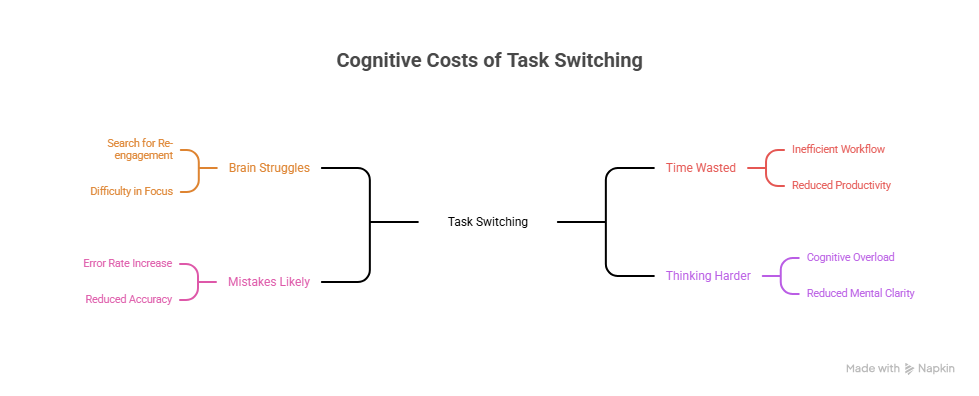
Switching between tasks costs the brain. This is like going from studying to social media. This is a 'task-switching penalty'. After switching, the brain struggles to get back on track. It has to search to re-engage. Each switch wastes time. It also makes mistakes more likely. This makes thinking harder. It uses up working memory. This leads to lower test scores. It means students need more study time. This is to learn things well. It also causes less concentration. This shows the real impact. This is on student attention spans in the digital age.
How Short-Form Content Reshapes Learning

Algorithmic Design and Dopamine-Driven Engagement
Short form media changes how students learn. Platforms use special computer rules. These rules make users stay on the platform. They target the brain's reward system. Dopamine is a brain chemical. It makes us feel good. It makes us want to do things again. Digital tools use changing rewards. This makes them very addictive. Scrolling through short-form videos is like a slot machine. Each swipe might show something good. Or it might show nothing. This keeps people hooked. Short-form content gives quick rewards. These rewards come in small bits. Autoplay and recommendations keep users watching. This constant excitement breaks up attention. It also causes mood problems. The brain needs more excitement. This is to get the same good feeling. This is called tolerance. This can make people look for more risky things.
The Rise of Micro-Learning and Bite-Sized Information
Short-form videos are very popular. This has created new ways of learning. Micro-learning is one way. It breaks down information. It makes it into small, easy parts. This 'bite-sized' way fits students' shorter attention. This is in the digital age. Many teachers now use micro-learning methods. They give information in short bursts. This helps students learn things better. This way of teaching understands. It understands how students like to get information. It also helps them to focus on key points.
Shifting Expectations for Information Consumption
Students today expect different things from learning. They grew up with digital tools. They like things they can use on their phones. Many prefer learning on their phones. They especially like videos. Almost four times more prefer videos than text. This is true even if the information is the same. Their attention spans are shorter. They like 'bite-sized' content. This means 3-7 minutes for each topic. They like learning that is interactive and social. This includes chat, blogs, and quizzes. This shows they are used to social media. This liking for short form media changes. It changes how they expect to get all information.
Multitasking Myths and Cognitive Switching Costs
Many students think they can do many things at once. But studies show this is not true. Switching between tasks causes more mistakes. It also makes them slower. Always switching tasks harms brain control. It makes thinking less flexible. It also makes response times longer. Moving between different brain activities causes loss. This leads to more errors. It also takes longer to switch. This is true even for simple tasks. The costs add up fast. Each switch wastes time. It also makes mistakes more likely. Interruptions reduce attention. They stop tasks from finishing. They make things less accurate. They make tasks take longer. This shows the real effect. This is of short-form video addiction and fast-paced digital content. It affects understanding and focus.
Adapting to the New Learning Landscape: Practical Strategies
The way students pay attention has changed. This is because of digital things. This brings problems. But it also brings new chances. We can help students do well. Teachers, parents, and students can work together. They can find good ways to learn. These ways help students focus again. They also make students feel more sure of themselves.
For Parents: Cultivating Healthy Digital Boundaries
Parents help their children a lot. They guide them in the digital world. It is important to set clear rules. Parents should feel okay saying "No". This is for too much screen time. They must stick to their decision. Even if children are upset. Understand their feelings. But do not change your mind.
Parents can make times without tech. These are special times or places. Screens are not allowed then. Families can do things without screens. Like walks or bike rides. Or board games or camping. Choose outdoor and active things first. Swimming or hiking naturally cut down screen time. They help children like being active.
Let children help make digital rules. They will follow rules they helped create. Parents should also show good digital habits. They can spend time doing offline things with children. This includes reading or playing games.
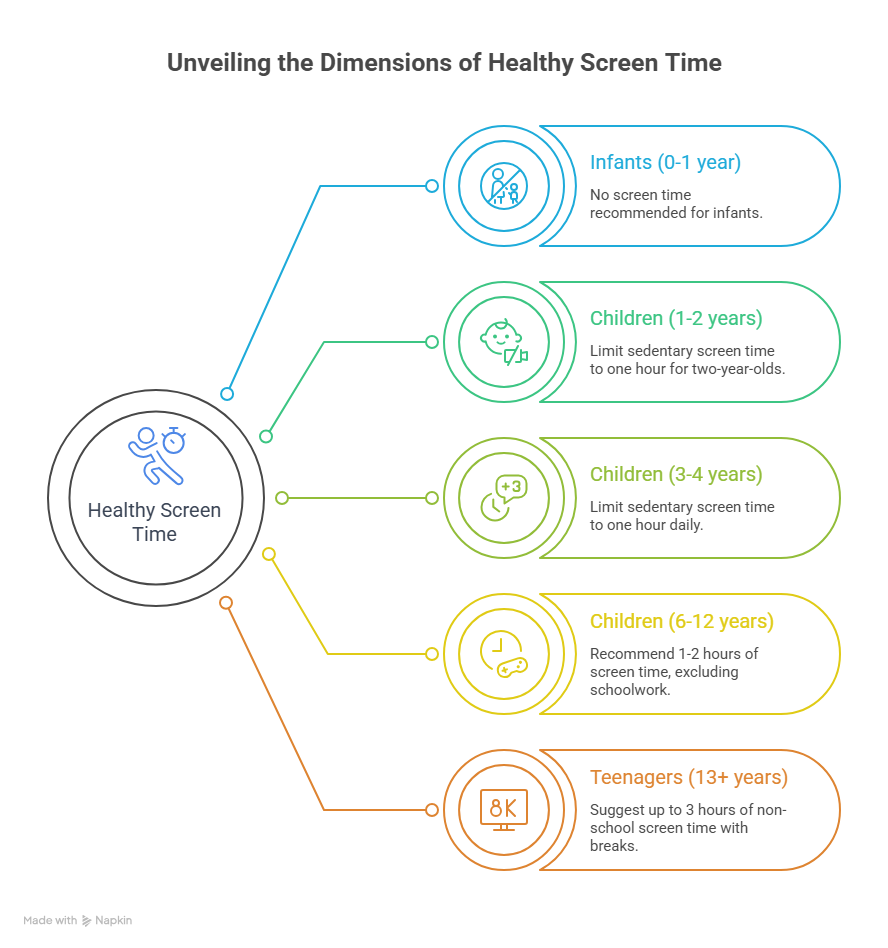
Here are suggested screen time limits for different ages:
Age group | Recommended screen time |
|---|---|
Infants (0-1 year) | No screen time |
Children aged 1-2 years | No screen time for one-year-olds; for two-year-olds, sedentary screen time should be limited to no more than one hour, with less being better. |
Children aged 3-4 years | Sedentary screen time should be limited to no more than one hour per day. |
Ages 2-5 | Up to 1 hour per day of high-quality content is appropriate. |
Ages 6-12 | 1-2 hours per day, excluding schoolwork, is recommended. |
Teenagers aged 13 and above | Up to 3 hours of non-school screen time, with breaks, is suggested. |
For Students: Building Realistic Concentration Habits
Students can control their own learning. They can build better focus habits. Spaced repetition helps. This means looking at information again. Do this after longer times. It is better than studying a lot at once. This helps remember things for a long time. Mindfulness also helps. Doing meditation often makes attention better. It also helps working memory. This teaches the brain to focus now. It stops distractions. Retrieval practice is another good way. Remembering information actively helps memory. Use quizzes or flashcards.
Good time management helps students. It balances digital use and school focus. Students can use a paper planner. This helps them see their schedule. It helps them decide what is important. Digital tools also work. Google Calendar or Outlook Calendar are examples. The time blocking method is useful. It splits the day into small parts. Each part is for one task. This helps stay focused. It makes putting things off less likely.
Students can use tools to help them.
Todoist: Helps keep track of tasks.
Evernote: Saves and organises notes.
Forest: Helps you focus. It grows a tree when you do not use your phone.
StayFocusd: Limits time on distracting websites.
Trello: A visual tool for tasks.
RescueTime: Tracks time spent. It shows how productive you are.
For Tutors: Structuring Engaging and Personalised Sessions
Tutors must change how they teach. They need to keep students interested. Intensive courses can help students focus more. They can also help them remember more. This is because they are very focused. Tutors can add more talking and interaction. They can use good teaching methods.
Tutors can plan for engagement. They should involve all students. This is for all tasks. Using real-world learning helps. Building up to a big test also works. The tutor's excitement and skill are key. Active learning and talking in class also help. Good course setup and student ideas create a good mood.
Tutors can use interactive videos. They can add other elements. This helps with shorter attention spans.
Interactive Content: Use clickable pictures. Or drag-and-drop games. This keeps students busy.
Frequent Breaks: Plan short learning times. Add short breaks. This stops the brain from getting tired.
Use of Multimedia: Mix text, pictures, videos, and sound. This makes learning more fun.
Immediate Feedback: Give quick answers on quizzes. This helps students know how they are doing.
Repetition and Reinforcement: Go over main ideas in different ways. This helps remember them.
Integrating 'Edutainment' and Active Learning Techniques
Edutainment mixes education with fun. It makes learning more enjoyable. EdTech lets teachers use multimedia. This includes live video and animation. This helps different ways of learning. Education app making lets teachers create online courses. Students can do these at their own speed. Edutainment makes learning more exciting. This leads to better engagement. It also helps remember information.
"Our animations make hard ideas clear. They make learning easier and fun," says Michelle Connolly. She started Educational Voice. "We have seen this way greatly improve academic performance. It also makes students happier."
Tutors can use active learning methods. These work well for students. They are used to short content.
Short, Engaging Videos: Use videos under 5 minutes. Make them interactive. Use tools like Edpuzzle.
Graphics and Infographics: Show complex information simply. Use pictures.
Gamify Learning: Use points, badges, or levels. Kahoot! and Quizlet help.
Self-Paced Learning: Let students choose assignments. They can make a video. Or an infographic instead of an essay.
Peer Collaboration: Encourage group work. Use Google Docs or Microsoft Teams.
Connect to Real-World Issues: Link lessons to current events. Use pop culture.
Learning Challenges: Hold online contests. Like trivia quizzes.
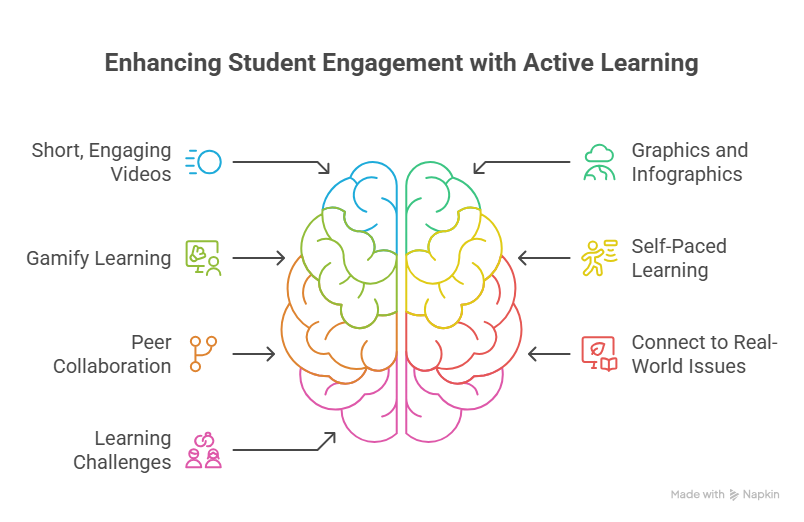
These ways help students do better in school. They also help them feel more confident.
The way students pay attention is tricky. It has good and bad parts. Short videos grab interest. But they make deep learning hard. The digital world has problems. But it also has new ways to teach. We can help students focus again. We can help them feel sure of themselves. This help makes students better. Suited Tutor helps students find teachers. These teachers fit how students learn. This builds progress. It also builds new confidence.
See Also
Conquering Digital Distractions: UK Students' Guide to Beating Exam Stress
Assessing Digital Courses' Impact on Contemporary Learning and Pedagogy
Flexible Learning: Revolutionising Education for Today's University Students
Adapting to Online Learning: Harnessing Diverse Learning Styles Effectively
Online Learning's Mental Health Impact: A Student Well-being Perspective