5 Proven Tips to Help a Child Who Resists: Parent Guide


It's a common source of frustration for many parents: the moment their children resist learning. Indeed, a survey revealed that a significant 41% of parents face difficulties with homework, often due to their children's reluctance. This resistance isn't naughtiness; it's a signal that requires understanding and a tailored approach. Gentle encouragement, rather than forceful insistence, can transform learning into a positive experience. This post offers valuable strategies for parents to inspire their children. At Suited Tutor, our Oxford-based team champions this empathetic teaching philosophy. We believe in transforming the challenge of Children Against Learning into a genuine desire to engage, whether through personalised home tutoring or other innovative methods.
1. Understanding Resistance to Learning
When children do not want to learn, it often shows a hidden problem. You need to know why they act this way. Knowing this helps you react well. It changes anger into success.
Identifying Root Causes of Pushback
Many things make a child resist. Sometimes, schoolwork is too easy. This makes them bored. Other times, it is too hard. Or, they might not know the basics. This makes them not want to try. Some children also think in a fixed way. They might think the schoolwork is not needed.
Children with learning disorders feel very worried. This stops them from learning. Studies show that pupils with certain learning disorders feel much more worried. This is true for schoolwork. This worry then stops them from learning.
You might also find that brain differences stop learning. Small changes, like new seats or more breaks, can help. Mental health issues, like worry or sadness, really affect learning. Basic needs not met, like hunger or no sleep, also make it hard to focus. Stress and bad experiences, like bullying or family changes, can make them not care about school. Money problems can also mean fewer tools for learning. This affects how a child learns. If parents face these issues, asking a tutor for help is good. A tutor can find exact needs. They can then make a plan just for the child.
Recognising Signs of Stress and Anxiety
It is key to see when a child feels stressed or worried about learning. You might see grades go down. They may also not finish schoolwork. They find homework hard to do. Children might skip tests or talks. They show fear of school tasks where others watch. These signs mean your child needs help. A tutor can be calm. They can help teach ways to cope. This kind way helps children stop fighting learning. It makes sure their schooling stays good.
2. Making a Good Learning Place
You can make a good place for your children to learn. This makes them feel safe. They will be ready to learn. A good place helps a lot.
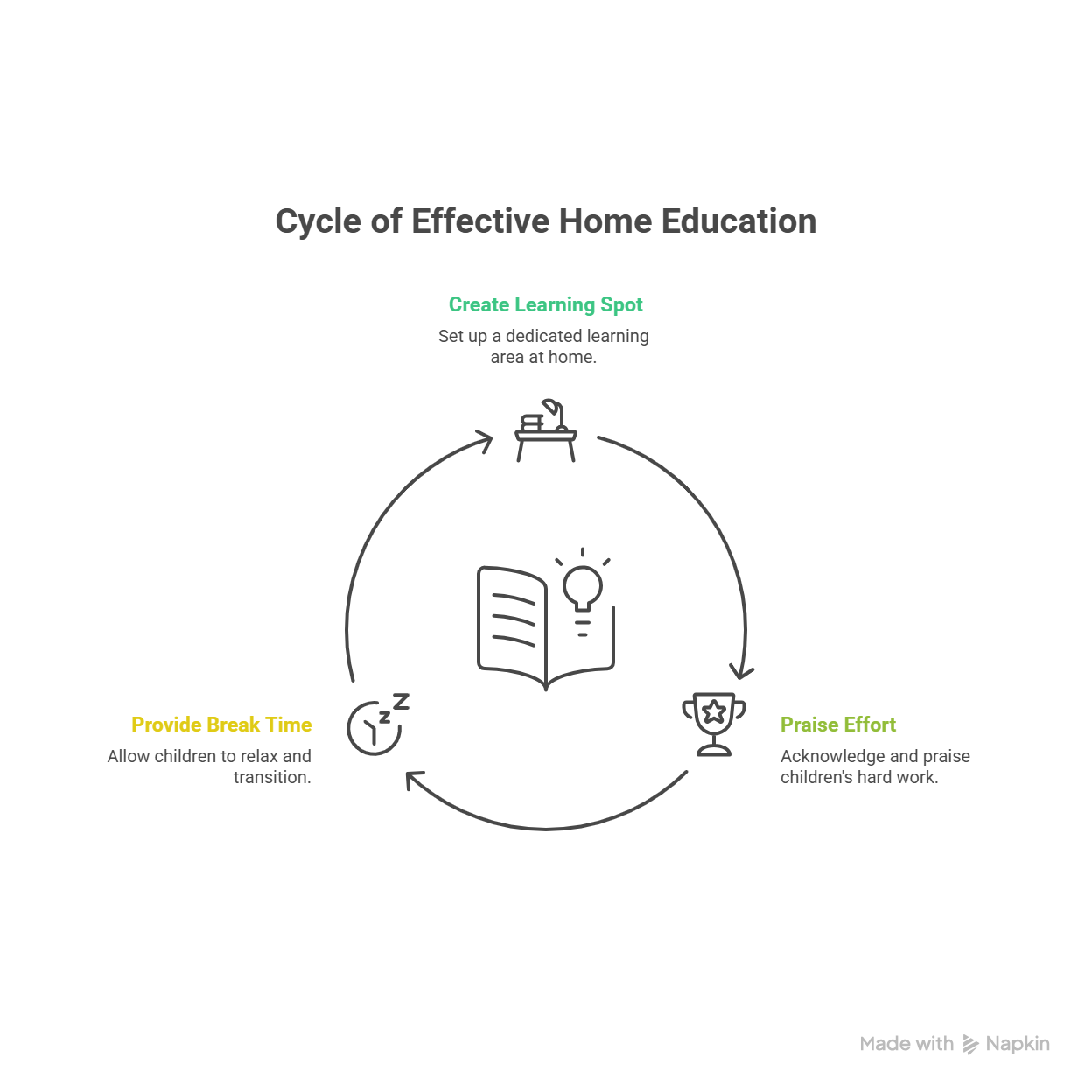
Building a Supportive Study Space
Making a Special Learning Spot
Make a special place to learn at home. This helps your children pay attention. A special spot helps them learn better. Sitting at a desk helps them focus there. You can also use different seats for tasks. Making special learning spots helps children. It links tasks with places. This helps them focus more.
To make this spot good, have bright lights. Take away toys that distract. Have all supplies ready. Things like pens and books. This stops breaks. You can add posters to the area. This makes it nicer. Suited Tutor knows good places are key. We offer a tutor-led approach. This helps you set up good home education.
Valuing Hard Work in Learning
Tell your children their hard work is good. Do not just praise results. Carol Dweck's work shows a 'growth mindset'. When you praise effort, children learn. Success comes from not giving up. This helps them like challenges. They see mistakes as chances to learn. This makes them strong. Focusing on effort teaches children. Hard work leads to success. They become stronger. They want to learn themselves. They like the learning process. This builds trust past school. Celebrating wins is good. But focusing on effort helps more. It helps for long-term success. This stops pressure to be perfect.
Giving Time to Change Over
Give your children time to relax. This is when they come home from school. They need to change from school to home. Do not start homework right away. Or other education tasks. A short break helps them calm down. This makes them ready for home education. This active encouragement helps them. They start tasks with a clear mind. You, as parents, give good support for home education. These are simple tips. A tutor can also give resources. They can help with this change.
3. Engaging Children in Learning

Making Learning Fun and Relevant
You can make tasks fun. This helps children join in. Fun things turn schoolwork into adventures. For example, use games. Word games like Junior Scrabble or Bananagrams help with words. Memory games, like remembering menus, boost recall. Listening games, like drawing from talks, improve focus. Action games, like charades, make words active. Touch games, using puppets, bring stories to life. Screen games, like apps, offer interactive fun. Even car games, like I-Spy books, teach on trips. Real-life tasks, like planning weekly jobs, link learning to life. These tips help children want to learn. This is helping children.
Connecting Learning to Interests
Link schoolwork to what your child loves. This makes learning matter. Use surveys to find their passions. Then, add these to lessons. For example, use football sums in maths. Let them choose activities. Choice boards let children pick tasks. This gives them power. Project learning also works well. Your child can make a video for history. Suited Tutor's experts in Oxford know this. They use a tutor-led way. They change lessons for each child's likes. You can also make 'invitations'. Set out things that inspire. Watch how your child reacts. This helps you see their interests. If they ignore an invite, think why. You can also watch for repeated actions, called play schemas. A child putting dinosaurs in boxes often might like 'containing'. This is not just dinosaurs. Add new items to these schemas. This builds on what children enjoy. This is great for home education.
Empowering Autonomy in Home Education
Let your child choose in their home education. This helps them be in charge. They learn for life. They find their own likes and strengths. They also learn how they best learn. This builds their belief in themselves. It is good for children with problems. They often feel put down. Letting them choose in home education is strong. It helps them want to learn. Suited Tutor helps with this. Our tutors help you make a place. This place helps them be free in home education. Visit suitedtutor.com for more help. This active push helps their education at home a lot.
4. Managing Tasks and Celebrating Progress
You can help your child manage schoolwork better. This builds their confidence. It makes learning a positive experience.
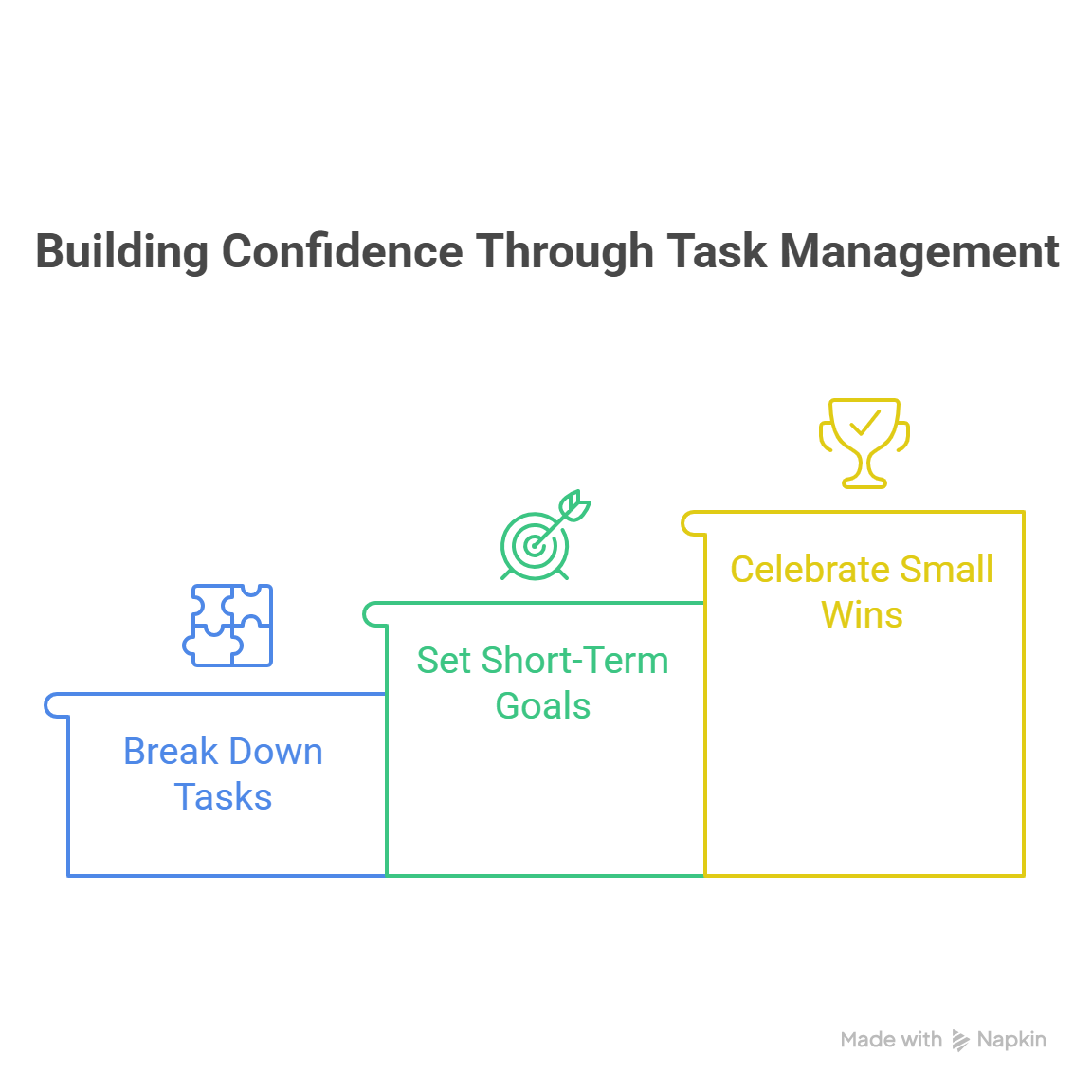
Growing Confidence Daily
Breaking Down Complex Learning Tasks
Large tasks often feel overwhelming. Break them into smaller, simpler steps. This makes the task mentally manageable. For example, solving a maths problem involves several steps. You decide the correct form. You manipulate equations. Then you decide whether to add or subtract. This approach makes big tasks less daunting. Think of writing an essay. You can identify main points first. Then you phrase them as 'point sentences'. Finally, you find supporting evidence. This method tightens the feedback loop. Your child gets more chances to feel successful. This helps pinpoint any gaps in understanding quickly. To do this well, complete the task yourself first. Note all the steps. You can also ask your child to describe their thoughts aloud. Observe them during lessons. See where they get stuck. Practise explaining steps. Pause often to check understanding. Create simple rules, like pausing at new paragraphs. A professional tutor from Suited Tutor can guide you. They help you master these effective tips for managing tasks at home.
Setting Achievable Short-Term Goals
Small steps lead to big achievements. Set clear, short-term goals for your child. These goals should be easy to reach. For instance, instead of "finish the essay," try "write three main points today." This gives your child a clear target. It helps them see progress quickly. Achieving these small goals builds momentum. It keeps them motivated. This strategy reduces pressure. It makes learning feel less like a chore. It helps create a path to stress-free homework.
Acknowledging Small Wins for Confidence
Celebrate every small success your child makes. This builds their confidence. When your child finishes a small task, acknowledge it. This could be understanding a new concept. It could be completing a tricky problem. Each small achievement strengthens their belief in their own abilities. It fosters a sense of accomplishment. It also reinforces their effort. This teaches them that hard work leads to growth. It promotes a growth mindset. Over time, these small victories add up. They build significant confidence. This helps your child view challenges as opportunities. It shapes them into confident learners.
5. Empathy and Patience in Support
You can help your child learn better. Use empathy and patience. This builds trust. It makes learning good for children.
Responding with Regulation, Not Punishment
Children often resist learning when they feel overwhelmed—not because they are defiant. They need emotional support and strong relationships. A warm, steady, and safe environment helps them feel secure enough to try, take risks, and learn calmly.
Avoid punishing outbursts; instead, understand the feelings behind them. Ask gentle questions, stay patient, and teach coping skills like deep breathing or short breaks. Make sure their basic needs—sleep, healthy food, hydration, and sunlight—are met, as these directly affect focus and motivation. Suited Tutor can also provide guidance for emotional regulation and learning support.
Setting Boundaries with Connection
Setting limits is important. You must do this with care. Talk kindly. Explain what you expect. Do this with understanding. Teach children that limits show respect. They are not about control. For example, say, "I hear you are upset. But we use calm voices." Do not say, "Stop yelling!" Be steady. Keep limits the same. This helps children know what to expect. They feel safe. Not being steady causes confusion. It makes them test limits. Let your child help. Let them help make family rules. This makes them want to follow rules more. Dr. Laura Markham is a child expert. She says, "Firm but loving limits help children feel safe. They build trust with their carers." Our Oxford tutors at Suited Tutor help parents. They help use these plans at home.
Maintaining a Calm and Steady Demeanour
Your calm actions teach your child. You show them self-control. If a child gets more defiant, take deep breaths. This calms you. Then you can respond. Use a soft but firm voice. Say what you expect clearly. Keep a calm tone. Stay calm yourself. Do not get defensive or emotional. Listen carefully. Pay full attention. Show you care about what they say. Empathy helps you see their view. This leads to good results. Parents who control their feelings help children. They help them learn self-control. Stay calm and patient at home. This makes brain paths stronger. These paths help children calm themselves.
You now know a kind way. It helps children who struggle with learning. You have learned five ways. These change a child's school journey. Helping children love learning takes time. It needs patience and care at home. Our Suited Tutor team in Oxford believes this. We offer tutors to help. This builds trust and good habits. You give your child the best start. This helps children who fight learning. Go to Suited Tutor for more help.
See Also
Cultivating Mindful Children: Practical Home Strategies for Calm Development
Embracing Joyful Learning: Making Education Engaging and Truly Rewarding
Student-Focused Education: Crafting Enjoyable and Rewarding Learning Experiences
Nurturing Student Growth Mindsets: Cultivating Positive Learning Journeys
Selecting the Ideal Tutor: Suited Tutor's Guide for Your Child