A Level Pass Grades: A Clear, No-Nonsense Guide for Students & Parents

If you’ve ever stared at your results sheet and wondered whether a grade actually “counts,” trust me — you’re in good company. Every year, thousands of students send frantic messages asking the same thing: “Does an E count as a pass?” or “What grade do I really need for university?” This guide breaks it all down without the skyscraper-high jargon.
Let’s sort out the myths from the real rules.
Understanding How A Levels Are Graded — From A to That Annoying U
A Levels follow a fairly straightforward structure — until you start digging into grade boundaries, pass marks, and Ofqual adjustments. Here’s the simplest way to see it:
People often get tripped up because “pass” in everyday language doesn’t always match “pass” in university or job terms. But officially:
👉 A to E = Pass*
👉 U = Not a pass
You’ll find the grading structure explained in detail on Ofqual’s official page, which oversees exam standards in England.
Is an E Really a Pass? Yes… But It’s the Skin-of-Your-Teeth Kind
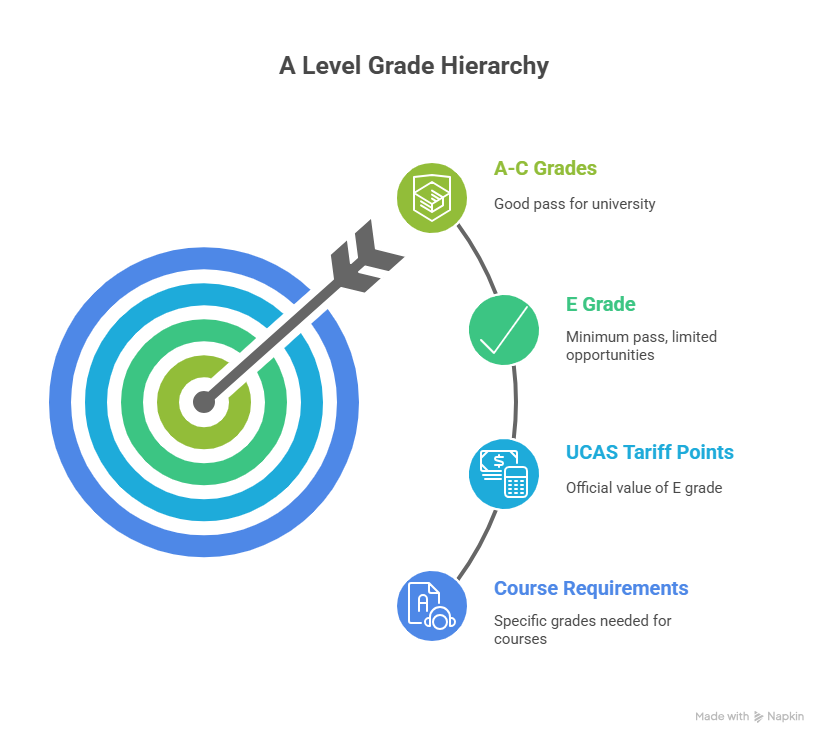
Let’s be honest — an E grade doesn’t feel glamorous, but it is a pass. It means you met the minimum requirement set by your exam board. Universities, however, may see it differently.
For competitive courses → E is rarely enough
For foundation years → often acceptable
For apprenticeships → depends on the employer
Still, an E holds UCAS tariff points, which means it has official value. You’re not out of the race.
What Counts as a “Good Pass” at A Level?
There’s “pass,” and then there’s pass — the kind universities smile at.
A “good pass” usually refers to:
A–C grades, especially in subjects like Maths, Chemistry, Psychology, and Biology
Meeting specific course requirements (e.g., B in Maths for Economics)
When universities publish requirements like BBB or AAB, this is what they’re aiming for: strong, reliable performance that suggests you’ll cope with degree-level study.
For insights on building stronger study habits, Suited Tutor has a solid guide on revision strategy here:
🔗 https://suitedtutor.com/blog/master-effective-study-and-revision-techniques-now/
A Level Grade Boundaries — The Mysterious Marks That Decide Your Fate
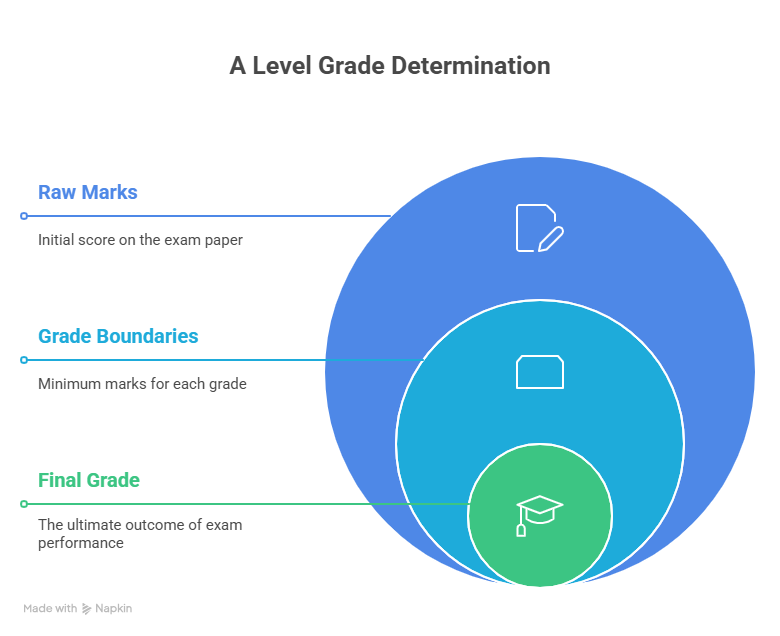
Grade boundaries are the minimum marks needed to secure each grade on a given exam paper. They change every year depending on paper difficulty.
For example:
If Paper 1 turns out brutally hard → boundaries drop
If a paper is too easy → boundaries rise
Exam boards publish boundaries every August:
AQA → https://www.aqa.org.uk
Edexcel/Pearson → https://qualifications.pearson.com
OCR → https://ocr.org.uk
This is why you can score 58% one year and earn a C, yet the same score the next year might give you a B.
Raw Marks vs Final Grade — Why Your Percentage Doesn’t Tell the Whole Story
Students often panic when they see they “only got 50%,” but raw percentages mean nothing without boundaries.
You might score:
52% and get a B
48% and get a C
40% and get an E
Raw mark → boundary → final grade.
It’s not always logical… but that’s the system.
How Universities Really Interpret A Level Pass Grades When Making Offers

Universities don’t look at just your grades; they look at your story.
🎓 For competitive subjects like Medicine or Law
Expect:
AAA
AAB
Or higher
🎨 Creative subjects
Sometimes accept:
CCC
CCD
🏫 Foundation pathways
Can accept:
DEE
CDE
All UK universities list requirements on UCAS:
https://www.ucas.com
Your grades aren’t the whole picture, but they’re definitely the front cover.
UCAS Tariff Points — What Your Pass Grade Is Worth
A Level grades convert into UCAS points, which some universities use instead of fixed grade combinations.
What Happens If You Miss Your A Level Grades?
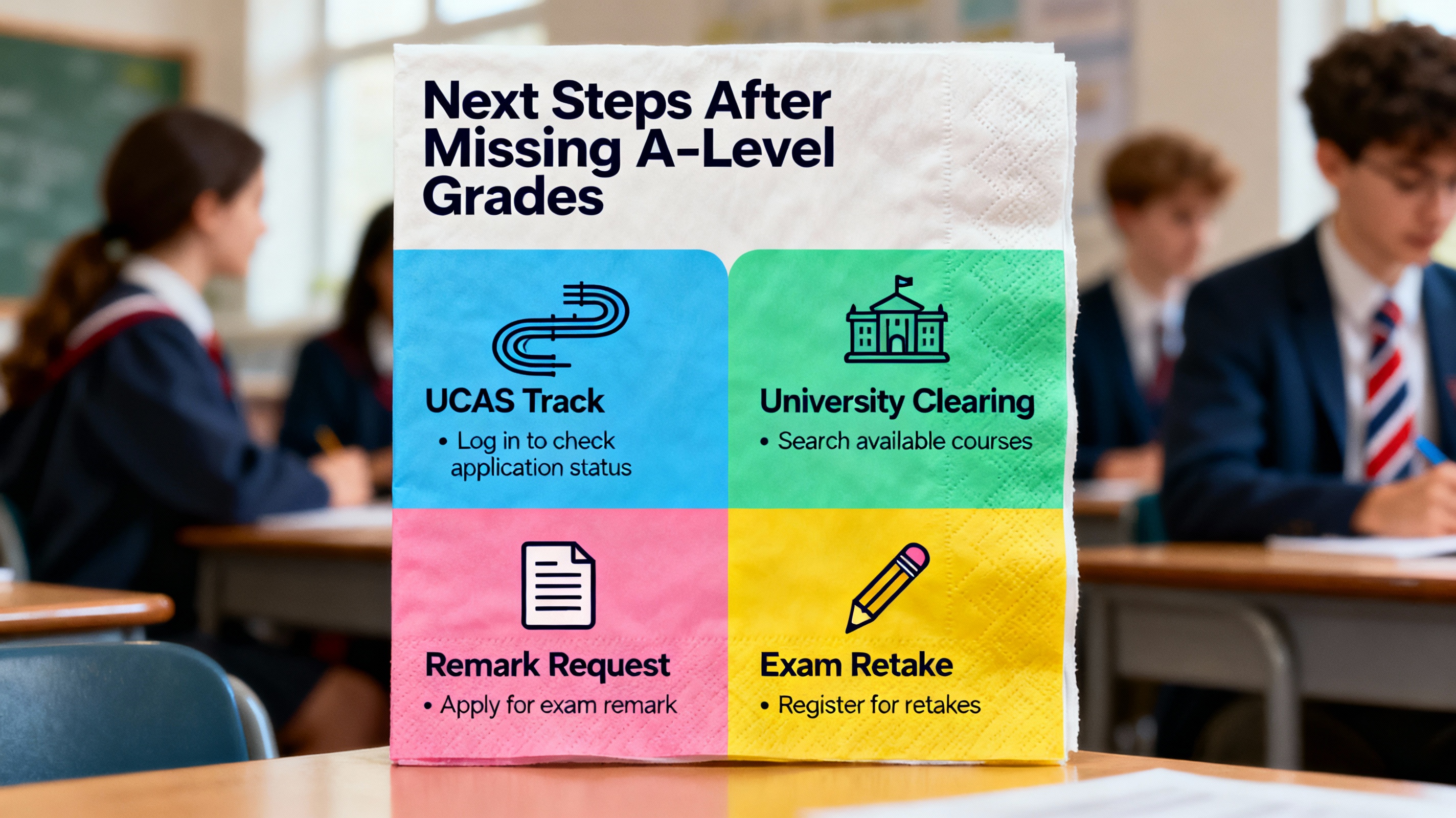
It happens more than people admit. Here’s how to handle it:
✔️ 1. Check UCAS Track
Many unis still accept you if you’re one grade short.
✔️ 2. Try Clearing
Thousands of courses become available every August.
✔️ 3. Request a Remark
Especially if you were close to the boundary.
✔️ 4. Retake If It’s Worth It
Not for everyone — only if your dream career needs higher grades.
A helpful breakdown of revision improvement strategies can be found here:
🔗https://suitedtutor.com/blog/how-to-pass-gcse-maths/
AS Levels vs A Levels — Does AS Still Matter?
AS Levels used to count toward your final A Level grades — not anymore.
But AS results can still:
Boost your predicted grades
Strengthen early UCAS applications
Show academic consistency
So yes, AS can matter, but no, it won’t change your final A Level grade.
Strategies That Actually Help You Secure a Strong A Level Pass
Here’s where things get practical.
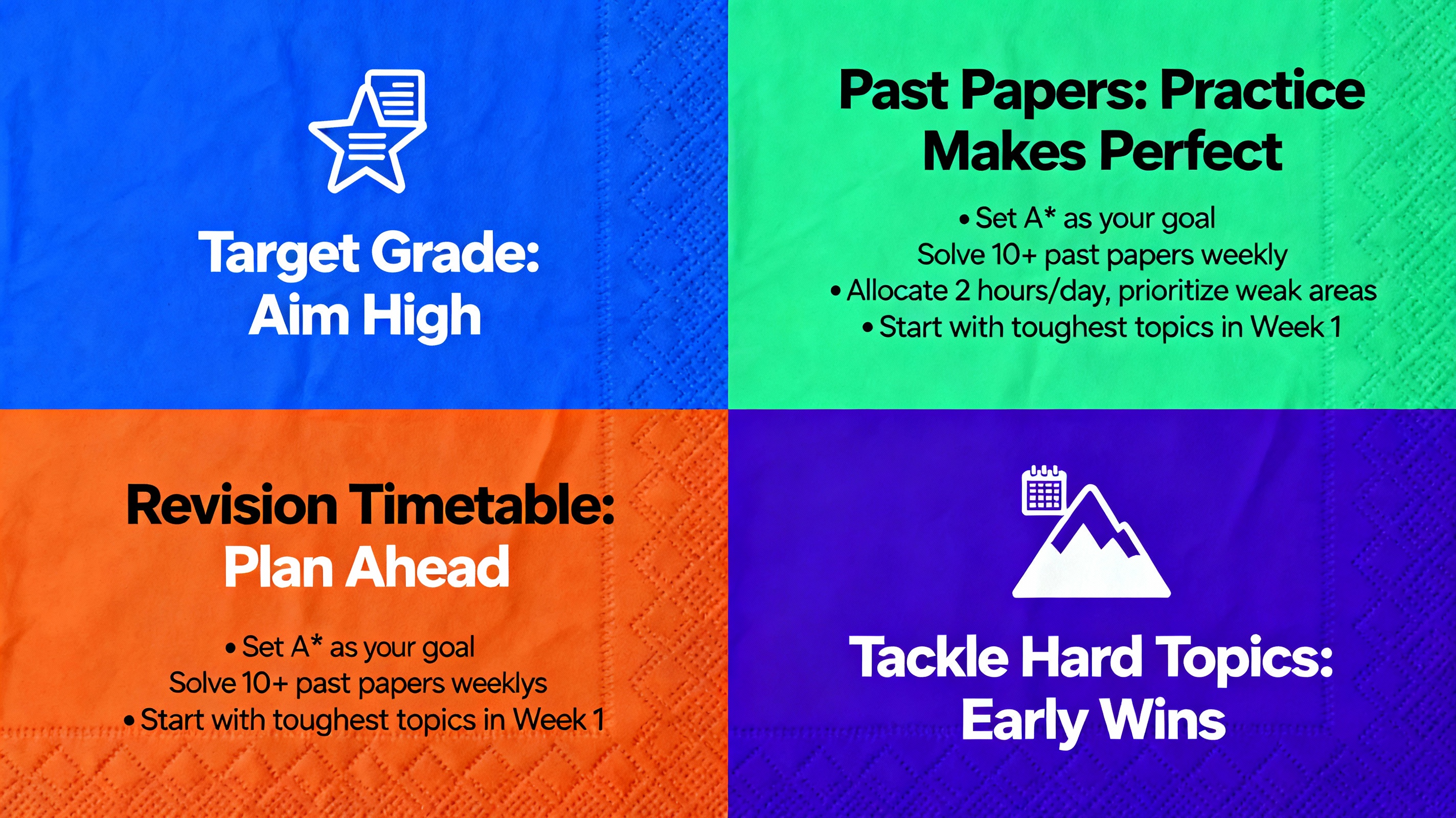
1. Set a Target Grade Instead of “Just Passing”
Saying “I want to pass” isn’t a plan — it’s a hope.
Set a target like:
C minimum
B in key subjects
2. Do Past Papers Like It’s Your Side Job
Your exam board’s paper style is your biggest teacher.
Patterns appear.
So do trick questions.
3. Build a Revision Timetable That Doesn’t Make You Miserable
This popular guide explains it well:
🔗 https://suitedtutor.com/blog/ultimate-guide-to-creating-a-revision-timetable/
4. Make Peace With Hard Topics Early
If organic chemistry feels like decoding alien handwriting — take it early, not late.
When Things Don’t Go to Plan — The U Grade Explained
A U grade simply means:
You didn’t meet the minimum requirement for an E
The exam performance fell short of basic criteria
It doesn’t mean you’re not capable. More often, it means:
Bad exam technique
Underestimating the content load
Poor timing
Life happened (personal issues, stress, health, etc.)